
Source culinary grade matcha for bakery, desserts, ice cream, confectionery and food manufacturing — selected around finished-product color, tea character, processing requirements, dosage and commercial cost-to-performance.







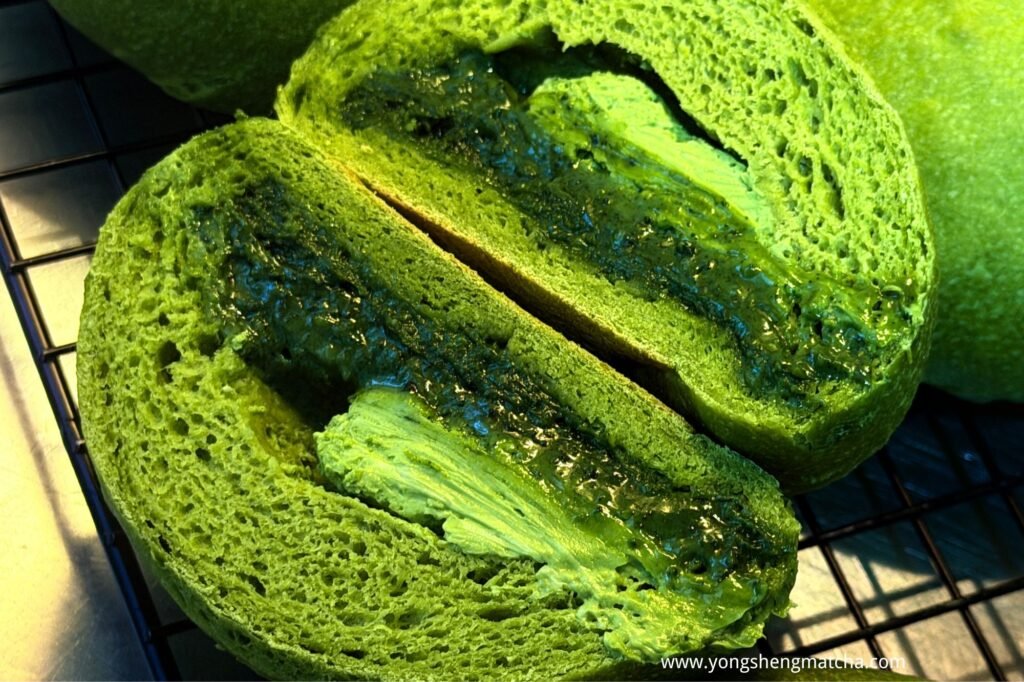

Culinary grade matcha refers to matcha selected for use as a food ingredient rather than primarily for direct drinking. In commercial applications, the matcha needs to work as part of a formulation — alongside ingredients such as flour, sugar, dairy, fats, chocolate and other flavor components.
This means culinary matcha should be evaluated not only by how the powder looks or tastes on its own, but by how it contributes color, tea character and overall sensory balance to the finished product.
For food manufacturers, the best matcha is not defined by a grade name alone. It is the matcha that delivers the required result at the intended dosage, process and commercial cost.
A matcha that looks impressive as a dry powder may perform very differently once it enters a finished recipe. Other ingredients, matcha dosage and processing conditions can all influence the final color, flavor and overall product experience.
For commercial food development, we recommend evaluating matcha under conditions that reflect how the finished product will actually be made.
Evaluate the visual result after the matcha has been incorporated into the actual formulation.
Determine whether the matcha remains recognizable alongside the other ingredients and flavors.
Evaluate how bitterness interacts with sweetness, dairy, fats and other recipe components.
Test the matcha under the preparation and processing conditions relevant to your product.
Identify the amount of matcha required to achieve the intended color and tea character.
Compare the commercial result at the actual usage rate — not simply the price per kilogram.
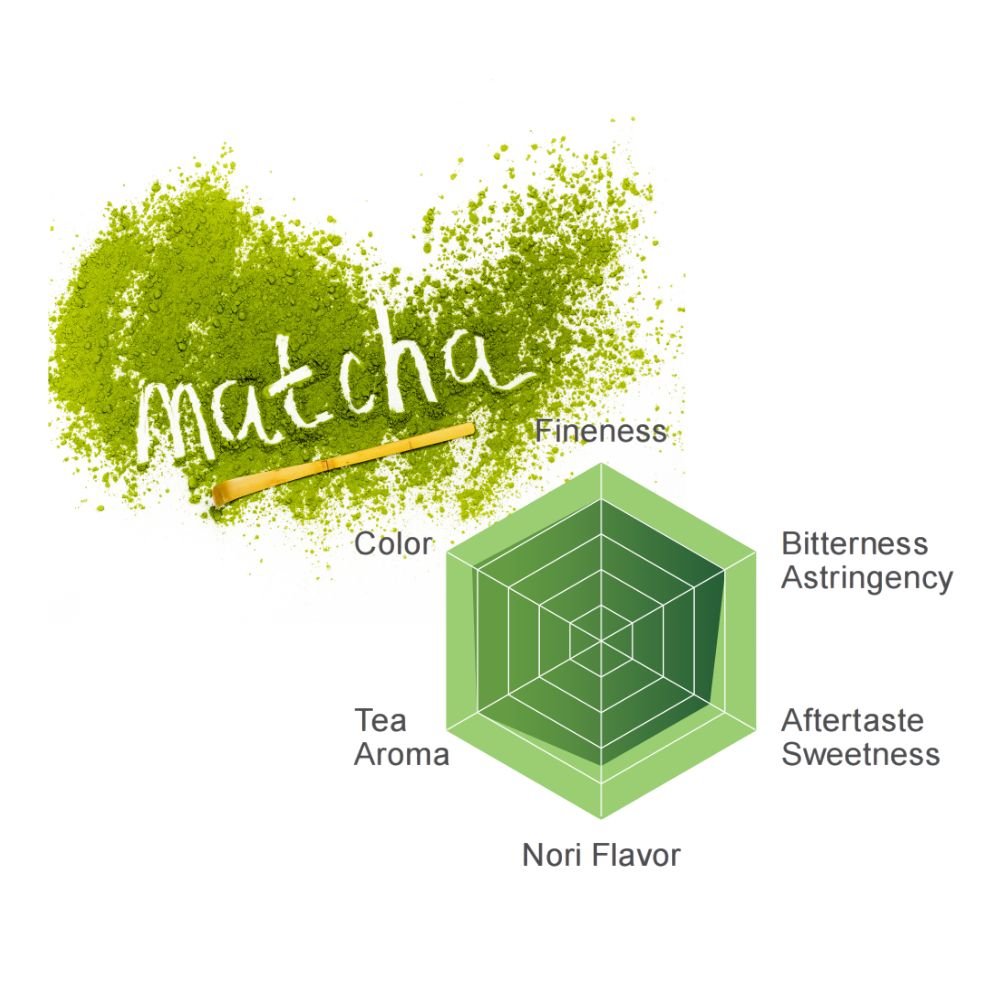
Yongsheng offers culinary matcha with different balances of tea character, nori aroma, bitterness, astringency, aftertaste and formulation versatility.
Rather than treating every culinary matcha as interchangeable, compare the profiles below and test the most relevant options in your actual recipe and processing conditions.
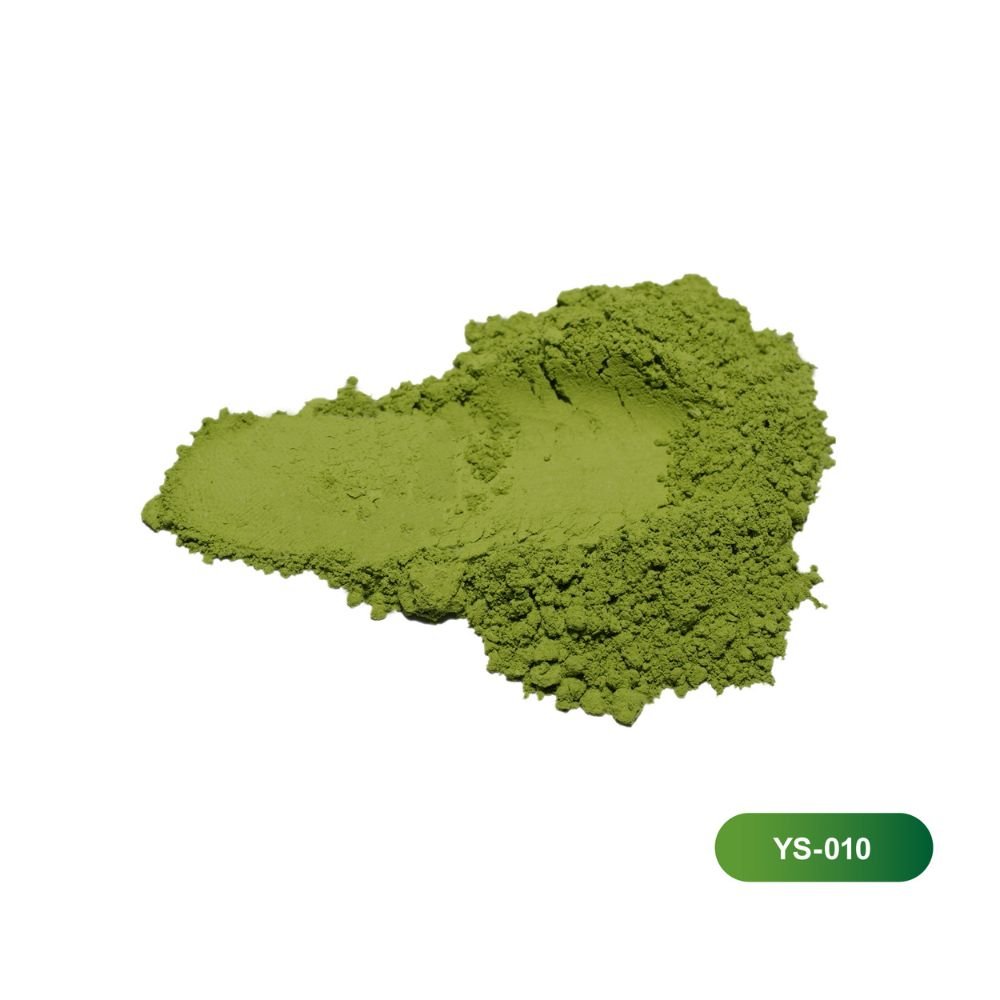
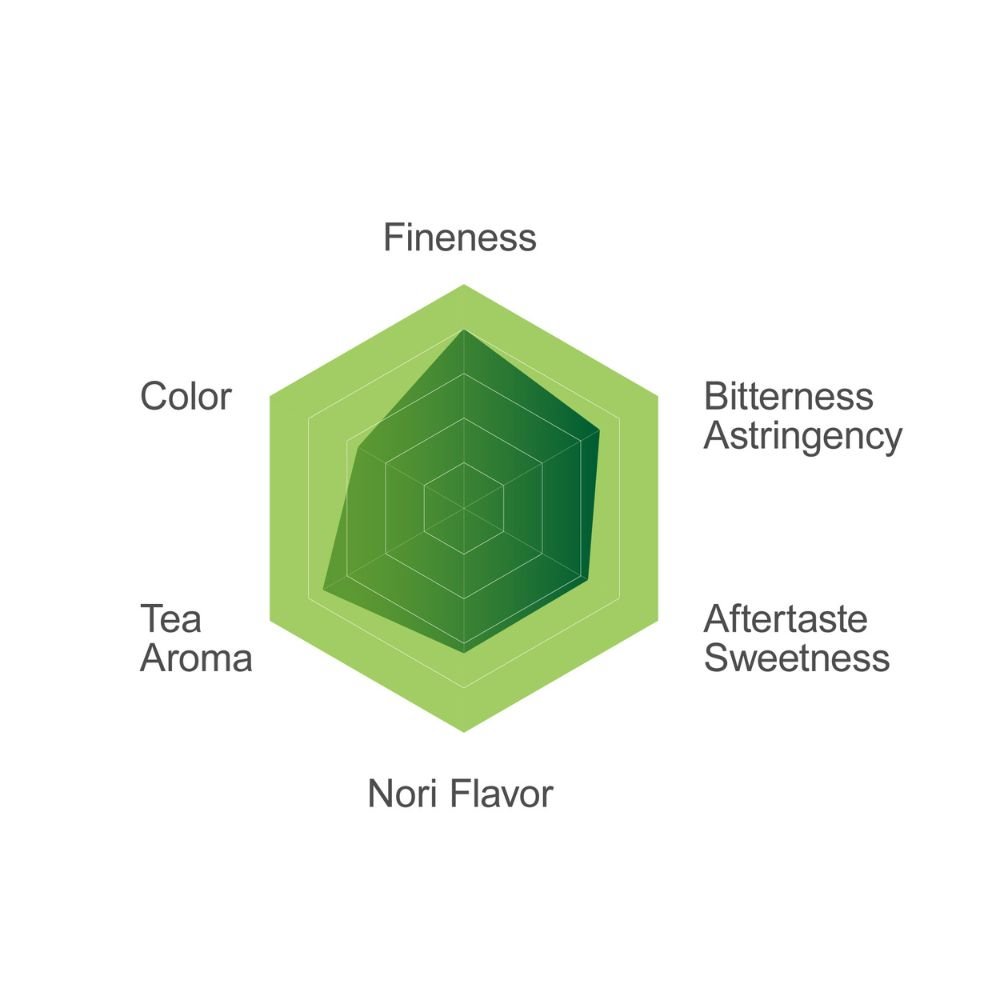
Product Code: YS-010
Formulation-Friendly · Nori & Tea Aroma · Commercially Versatile
A formulation-friendly culinary matcha with noticeable nori and tea aroma, lingering sweetness and a versatile sensory profile. A practical option for buyers developing blended products where matcha needs to work alongside other ingredients while maintaining recognizable tea character.
BEST FOR
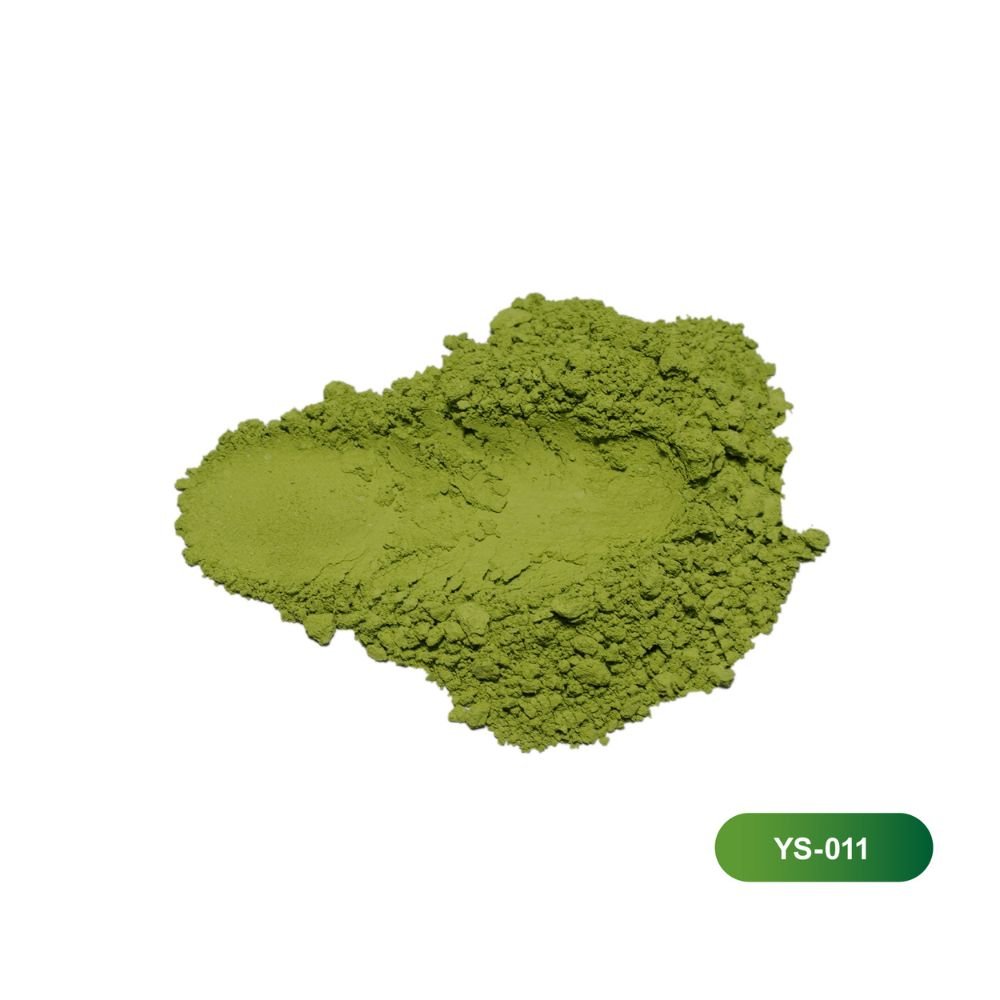
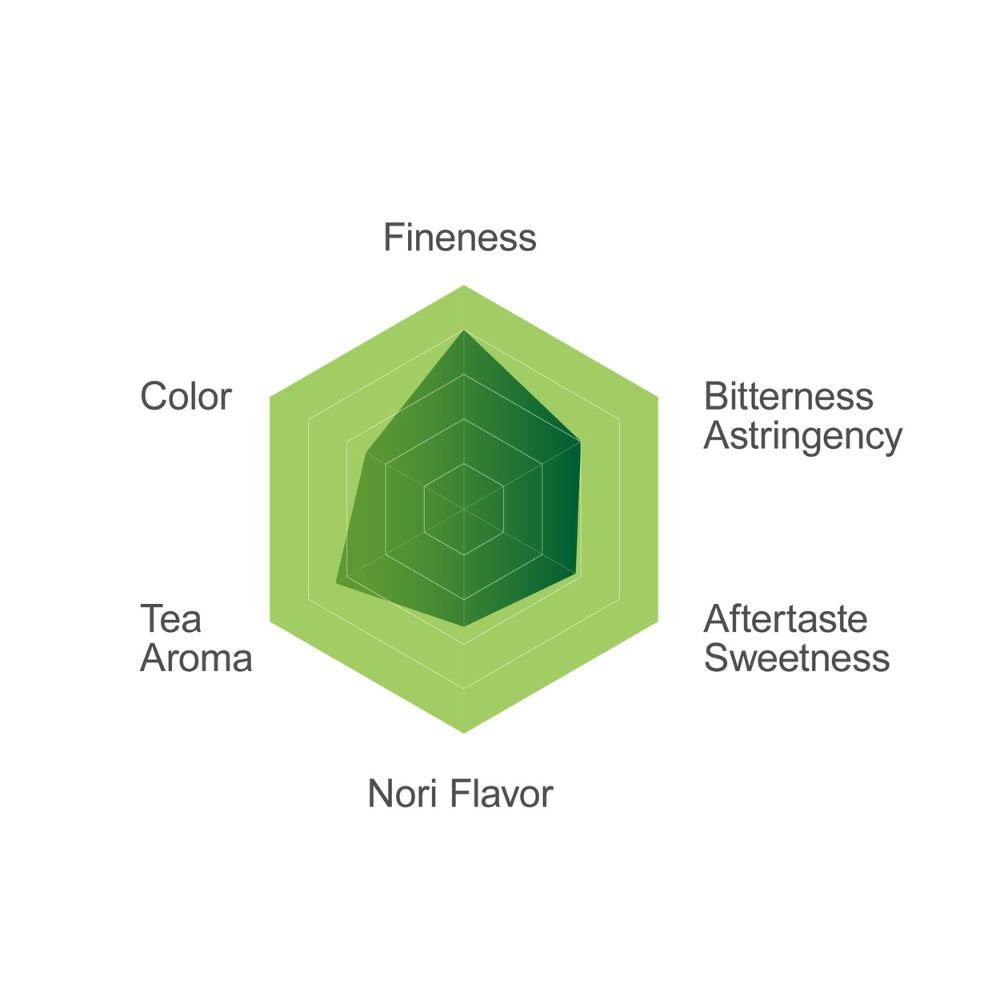
Product Code: YS-011
Tea-Forward · Sweet-Finishing · Made for Desserts & Confectionery
A tea-forward culinary matcha with pronounced tea aroma and noticeable aftertaste sweetness. Its recognizable matcha character makes it suitable for formulated foods where tea presence needs to remain noticeable alongside chocolate, dairy, sugar and other ingredients.
BEST FOR
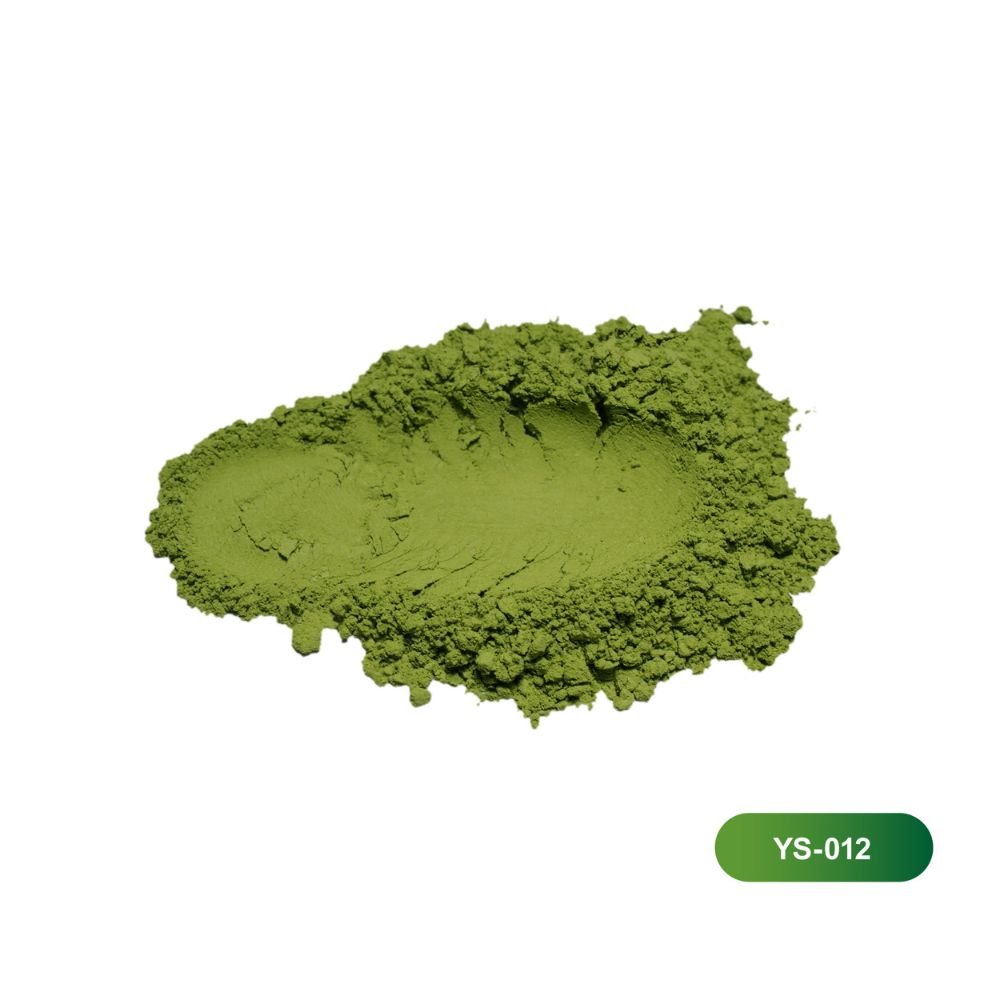
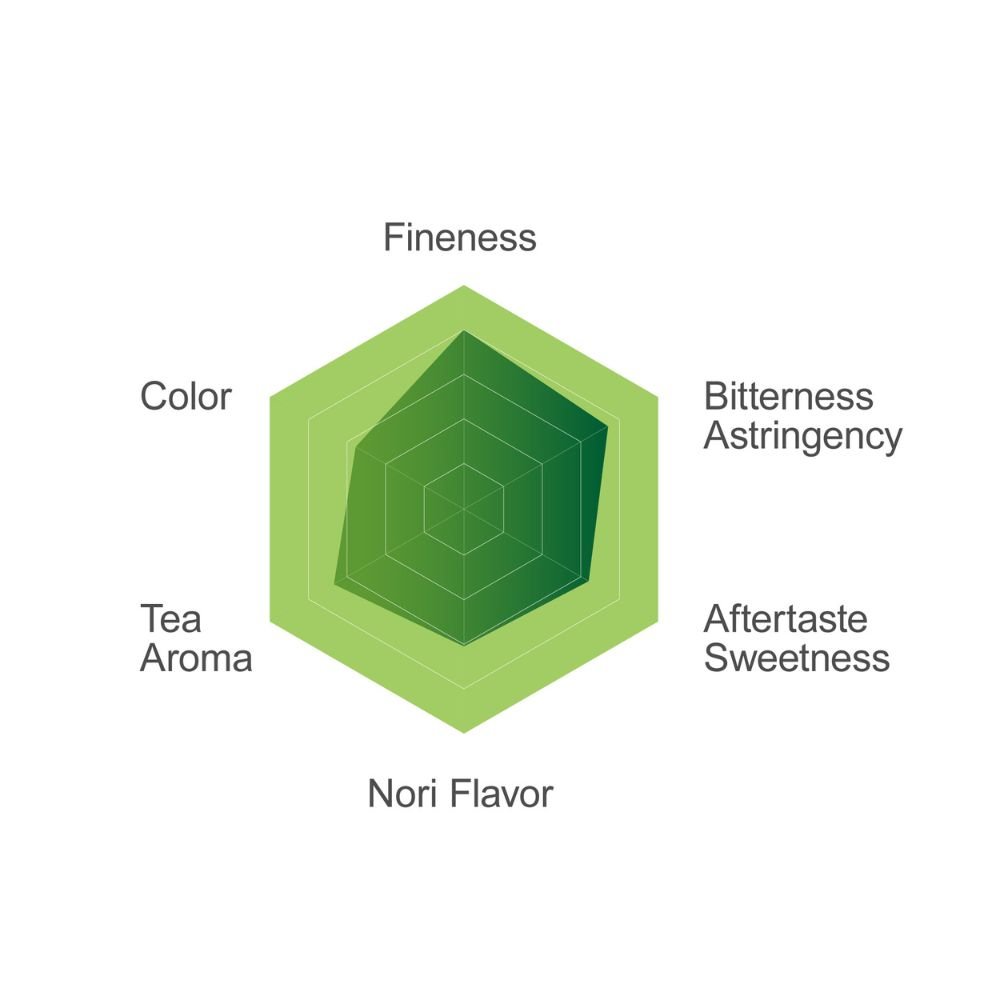
Product Code: YS-012
Clean & Balanced · Moderate Astringency · Commercially Practical
A clean and balanced culinary matcha with recognizable tea and nori character, moderate astringency and a smooth overall profile. A practical direction for commercial food products where consistent matcha character and cost-to-performance need to work together.
BEST FOR
What Usually Matters
What to Evaluate
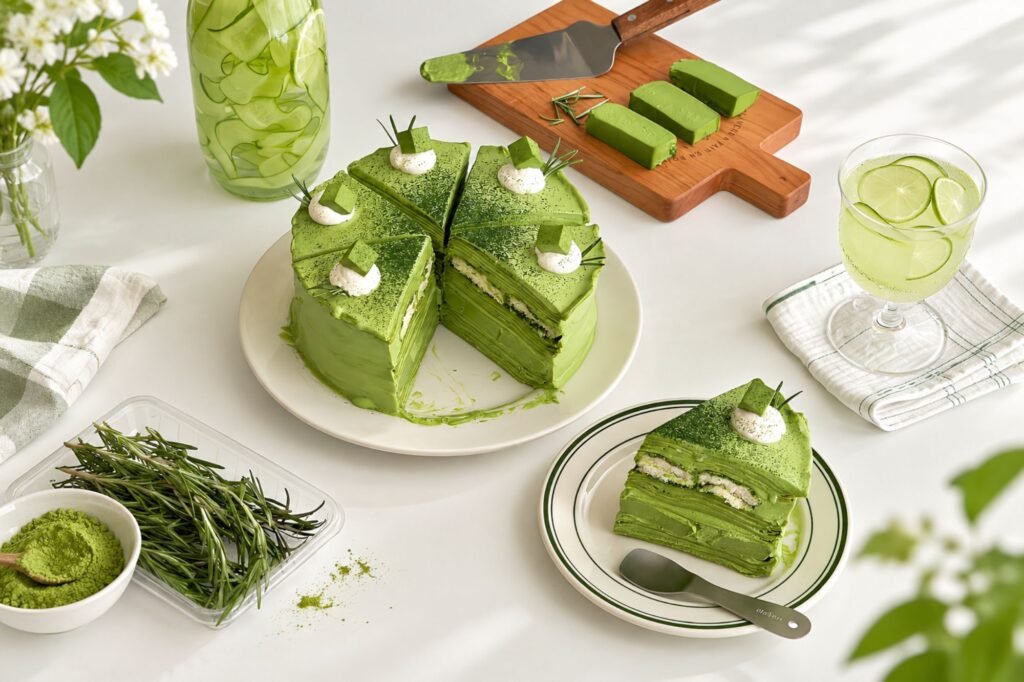
Finished color, flavor balance and performance under your baking process

What Usually Matters
What to Evaluate
Matcha character alongside dairy, sugar and fats
What Usually Matters
What to Evaluate
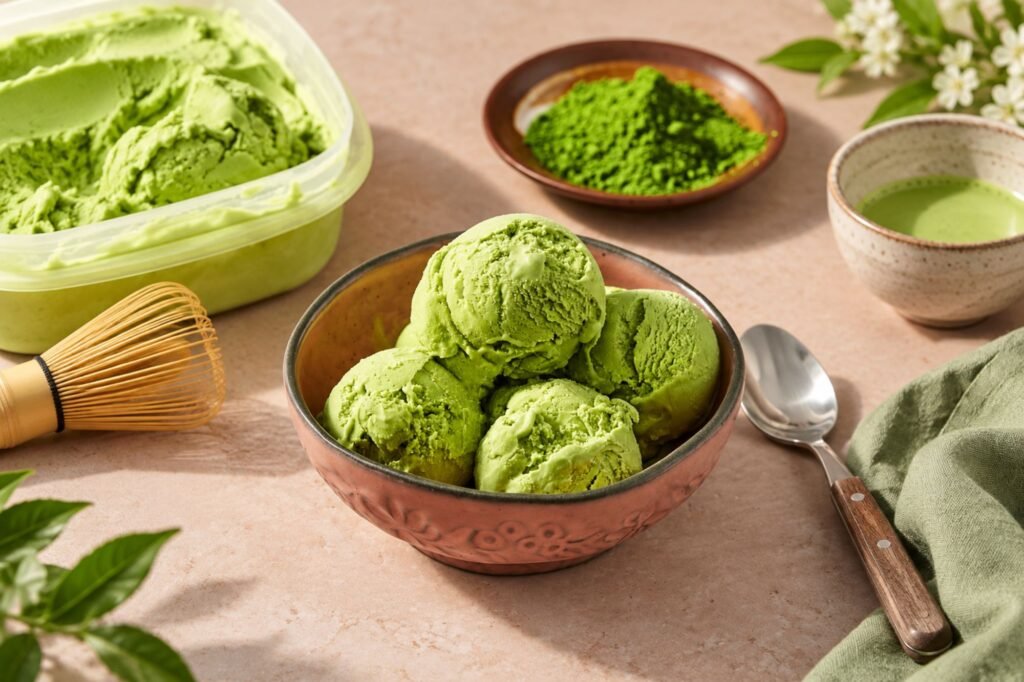
Flavor and appearance in the finished frozen product
What Usually Matters
What to Evaluate
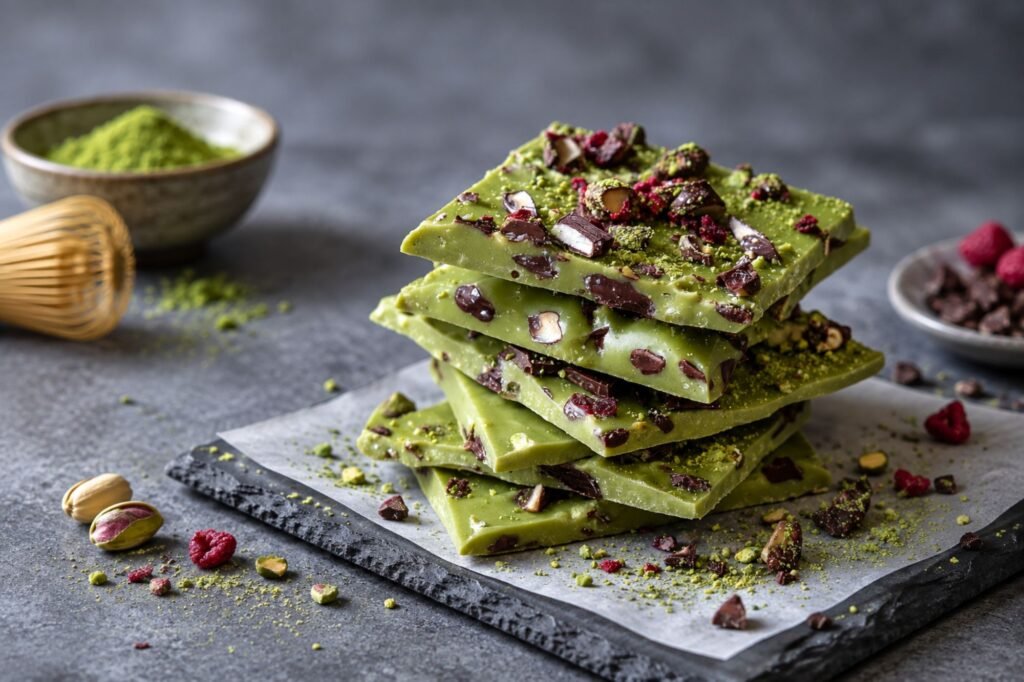
Matcha presence alongside cocoa, sugar and fats
What Usually Matters
What to Evaluate
Sensory balance and preparation performance
What Usually Matters
What to Evaluate
Repeatability at production scale
Ceremonial and culinary matcha are selected around different priorities. The better choice depends on how the matcha will be used — not simply which grade sounds more premium.
Culinary Grade
Ceremonial Grade
Primary Focus
Performance in food formulations
Refined sensory quality
How to Evaluate
Tested at the intended dosage and processing conditions
Prepared primarily as pure matcha
Color Priority
Color in the finished food application
Appearance in pure preparation
Flavor Priority
Recognizable tea character within the recipe
Aroma, umami, mouthfeel and refined balance
Commercial Priority
Processing fit & cost-to-performance
Sensory quality & premium positioning
Best For
Bakery · Desserts · Ice Cream · Food Manufacturing
Pure Matcha · Premium Retail · Specialty Tea
You can use ceremonial matcha in food, but that does not automatically make it the best commercial choice. Once matcha is combined with sugar, flour, dairy, fats, chocolate or other ingredients, some of the subtler characteristics valued in direct drinking may become less noticeable.
For commercial food products, culinary matcha can often provide a more appropriate balance of finished-product performance, dosage and cost-to-performance.
The best matcha is not simply the highest grade — it is the matcha that delivers the right result in the way your product will actually be made and consumed.
Item
Details
MOQ
From 1 kg per order. Lower quantities may be considered for trial orders, subject to product and availability.
Samples
Application-matched sample sets are available with relevant product specifications. Approved samples can be retained as reference samples for future commercial production.
Packaging
100g / 250g / 500g retail tins · 1kg / 10kg / 20kg nitrogen-flushed aluminum foil bags for commercial supply. Final formats subject to confirmation.
Lead Time
Typically 3–5 working days after order and payment confirmation, subject to product availability.
Incoterms
EXW, FOB or DDP
Payment Terms
T/T, Alipay
Culinary grade matcha refers to matcha selected for use in food applications such as bakery, desserts, ice cream, confectionery and other commercial formulations. Rather than being evaluated primarily as a direct-drinking matcha, it should be tested in the finished product for color, tea character, dosage, processing fit and commercial cost-to-performance.
Ceremonial uses the youngest first-harvest leaves, is smooth, sweet and non-bitter, and is drunk straight. Culinary uses more mature leaves, is stronger and slightly bitter, and is built to survive heat and mixing — at a much lower cost per kilogram.
Yes — it is the standard choice. Its color and flavor hold up through baking and freezing, where premium grades' subtlety would be lost. Start at 【1–2 tsp(2–4g)per standard recipe unit】 and adjust.
Matcha color can change during baking depending on temperature, baking time, pH, dosage, recipe composition and the matcha itself. We recommend testing shortlisted matcha options in your actual formulation and process rather than judging color from the dry powder alone.
Yes — including fine-mesh options that disperse cleanly in cold liquids, and custom pre-mixes for retail or foodservice formats.
FSSC 22000 / HACCP plus EU Organic / USDA Organic options, per-batch COA and pesticide-residue reports to your market's MRL standard. Factory audits welcome.
1 kg per SKU; tonnage pricing and annual contracts available for manufacturers and co-packers.
Yes — custom matcha-based premixes, and private label packaging for retail-ready products.
Sealed, cool, dry and away from light; refrigerated is best. Shelf life 【12–24】 months in nitrogen-flushed, light-blocking packaging.
Yes — 【EU/USDA/JAS】 organic options in industrial packaging.
Tell us what you’re making, the performance you’re looking for and your commercial requirements. We’ll help you identify relevant culinary matcha options for formulation testing and B2B supply.
 English English
 Spanish
 German
 Arabic
 Vietnamese
 Russian
 Portuguese English English Spanish
German
Arabic
Vietnamese
Russian
Portuguese
WhatsApp us
We will contact you within 1 working day, please pay attention to the email with the suffix “@yongshengmatcha.com”.
We will contact you within 1 working day, please pay attention to the email with the suffix “@yongshengmatcha.com”.