
The best matcha for lattes is not necessarily the best matcha for drinking straight. A tea that dazzles on its own, all delicate aroma, subtle sweetness and a long finish, can vanish the moment it meets milk, ice and syrup. So for a café, the question is not "How good is this matcha?" It is "How well does it perform in the drink we serve?" This is the framework we hand to café buyers who ask us what to choose.

What Makes a Matcha Good for Lattes?
A latte changes the job of matcha. Judged straight, a good matcha is rewarded for delicacy and nuance. In a latte, milk, ice, water and sweeteners dilute and reshape all of that, and what matters is what survives.
Flavor intensity
The tea should still be recognizable after milk. If you have to double the dose just to taste it, the powder is working against your menu economics as well as your flavor.
Flavor balance
After dilution, bitterness and astringency should stay smooth, and the sweetness and umami should carry through to the finish. Judge balance in the finished drink, never in the whisking bowl.
Color
Customers see the latte before they taste it. Judge green in the glass, hot and over ice, not green in the tin. A powder that looks vivid but fades khaki ten minutes into an iced drink is a complaint waiting to happen.
Texture
No clumps in the shaker, no grit in the last sip, no whisking station during the morning rush. A powder that disperses easily into cold milk is a working requirement on the bar, not a luxury.
Don't Choose Matcha by Grade Alone
Ceremonial, latte, barista, culinary: these labels can give you a rough idea of how a supplier positions a product, but they are not standardized specifications. "Ceremonial" has no legal or industry-wide definition, and no label predicts how a powder behaves in your milk at your dose. Most guides recommend a grade and stop there. Judge the finished drink, not the label. For what the labels do mean, see our ceremonial vs. culinary buyer's guide.
How to Test Matcha Samples for a Latte
Test the drink, not the powder. Keep conditions identical across every sample: same dose (for example, 2 to 3 g per 12 oz as a practical starting point; iced drinks often take a little more), same water, same milk (the milk actually on your menu, with dairy and oat tested separately), same recipe.
Then run three passes.
Test A, straight. Whisk each sample with water only and note the baseline: aroma, bitterness, astringency, sweetness, umami. You are not choosing here. You are learning what you are adding.
Test B, a standard latte. Fixed dose, fixed milk, fixed sweetness. Score four things: flavor retention, color (hot, iced, and again ten minutes after making), texture, balance.

Test C, your actual menu drink. If your signature is 3 g with oat milk and vanilla syrup, test exactly that. Samples that tie in Test B separate cleanly here.
Don't ask whether the matcha is good. Ask whether it performs in the drink you sell. The winner is the sample that performs best under the conditions you actually need, not the one with the highest grade or the highest price. Our own barista grade matcha line is scored on six sensory dimensions at the mill, and every batch ships with a COA.
Compare the Cost of the Finished Drink
Ingredient price and usable cost are different numbers. A cheaper powder that needs 4 g per serving can cost you more per latte than a dearer one that needs 2 g, because flavor intensity sets the dose.
Cost per latte = dose needed × price per gram
Illustrative example, not a price quote:
| Matcha A | Matcha B | |
|---|---|---|
| Price per kg | $100 | $160 |
| Dose for the flavor you want | 4 g | 2 g |
| Cost per latte | $0.40 | $0.32 |
The real comparison is cost per finished drink, not cost per kilogram. For a café, latte suitability is a balance of flavor, color, texture and cost per serving, and cost only means something once the first three are fixed.
Questions to Ask Before Buying in Bulk
- Where is the tea grown and milled?
- Which harvest, and what production date?
- Which latte application does the supplier actually recommend it for?
- Are samples available before commitment?
- What are the MOQ and supply terms?
For the full evaluation, documents, consistency and food-safety records, see How to Evaluate a Matcha Supplier for Bulk Purchase.
FAQ
How many samples should I compare?
Three to five samples is usually enough for a practical café comparison. If you are testing more, split them across multiple sessions to reduce palate fatigue.
Why does my matcha clump in cold milk?
Matcha does not truly dissolve in milk; it forms a suspension. Added straight to cold milk, powder can lump and spread unevenly. A well-dispersing powder plus a proper slurry or shake step gives a smoother drink.
Why does my iced matcha latte lose its green color?
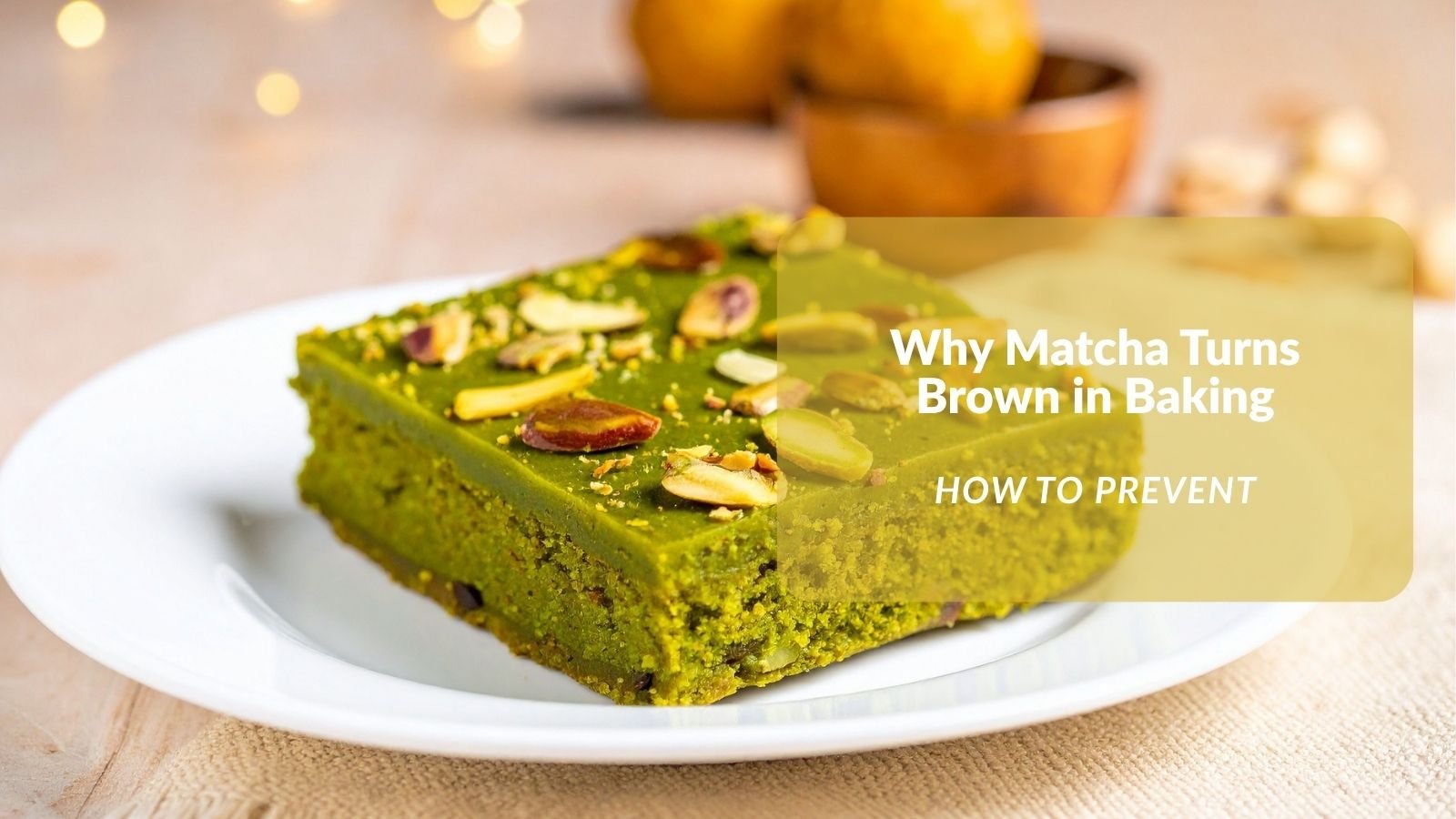
Dilution from melting ice can weaken the green, and oxidation and pigment breakdown can affect it further as the drink sits. Color retention depends on the powder, processing, recipe and storage, so test it in the finished drink; the full chemistry is in Why Matcha Turns Brown.
How should a busy café store opened matcha?
Keep opened matcha airtight, cool, dry and protected from light and heat, away from the espresso machine. For a busy café, smaller packs mean less time exposed to air after opening.
What MOQ should a café expect?
There is no universal MOQ. Terms vary by supplier and product, so ask whether a trial order is available before you commit to a larger minimum.
The Short Version
There is no single best matcha for every latte. The right choice is the powder that delivers the flavor, color and texture you want, in your actual recipe, at a workable cost per serving. Run the three tests, compare finished drinks side by side, and the answer is usually obvious before the price list comes out.
Want to run these tests on our barista grades? Request a café sample pack: free samples of 10 to 500 g drawn from production lots, with a reply within 12 hours.